Most conversations about focus start in the wrong place.
They assume distraction is a failure of discipline.
They prescribe motivation, grit, or better habits.
That framing is convenient and wrong.
Focus does not disappear because people lack willpower.
Focus disappears because the day is poorly designed.
You do not rise to the level of your goals.
You fall to the level of your systems.
This distinction matters because motivation is intermittent.
Systems operate continuously.
Why motivation keeps failing you
Motivation spikes and fades.
Energy fluctuates.
Attention degrades under noise.
Yet most productivity advice assumes you can repeatedly make high quality decisions in an environment full of interruptions. That assumption is false.
Environment and structure shape behavior whether you are alert or exhausted.
When focus breaks down, the cause is rarely effort.
It is friction, ambiguity, and constant renegotiation.
Focus is not summoned.
It is allowed.
The real problem: the unmanaged day
High performers are not short on ambition.
They are short on a repeatable daily operating system.
The same failure modes appear across roles and industries.
Tasks are scattered across email, chat, notes, and memory.
Calendars reflect meetings but ignore real work.
Days begin reactively, surrendered to the first notification.
The result is familiar.
Busyness without leverage.
Late nights fixing what should have been decided in the morning.
This is not a personal failing.
It is a systems failure.
What a real focus system must do
A functional focus system is not inspirational.
It is mechanical.
It works even on bad days.
At minimum, it must do three things.
Decide once
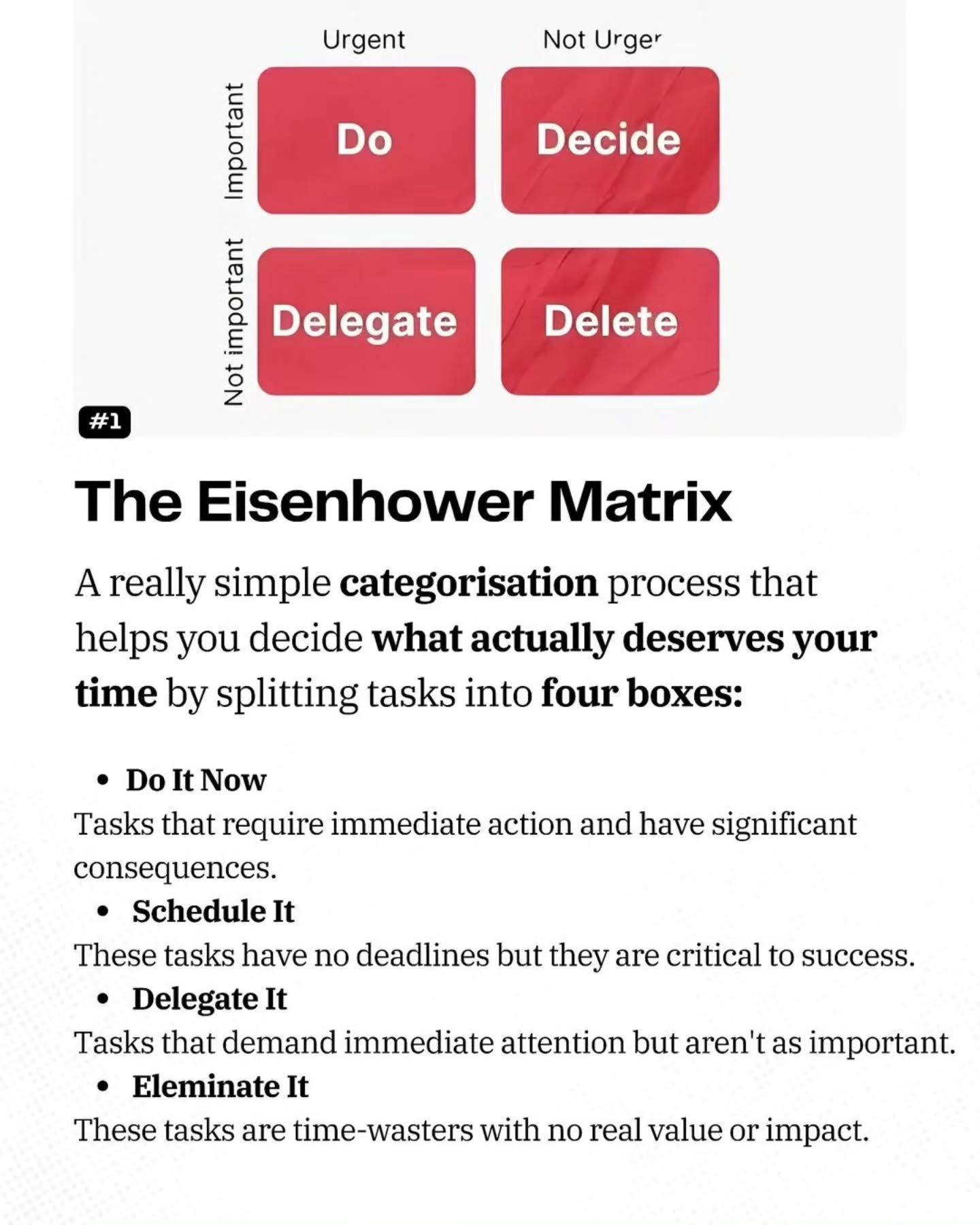
Define three to five outcomes that matter before the day starts.
Design the day
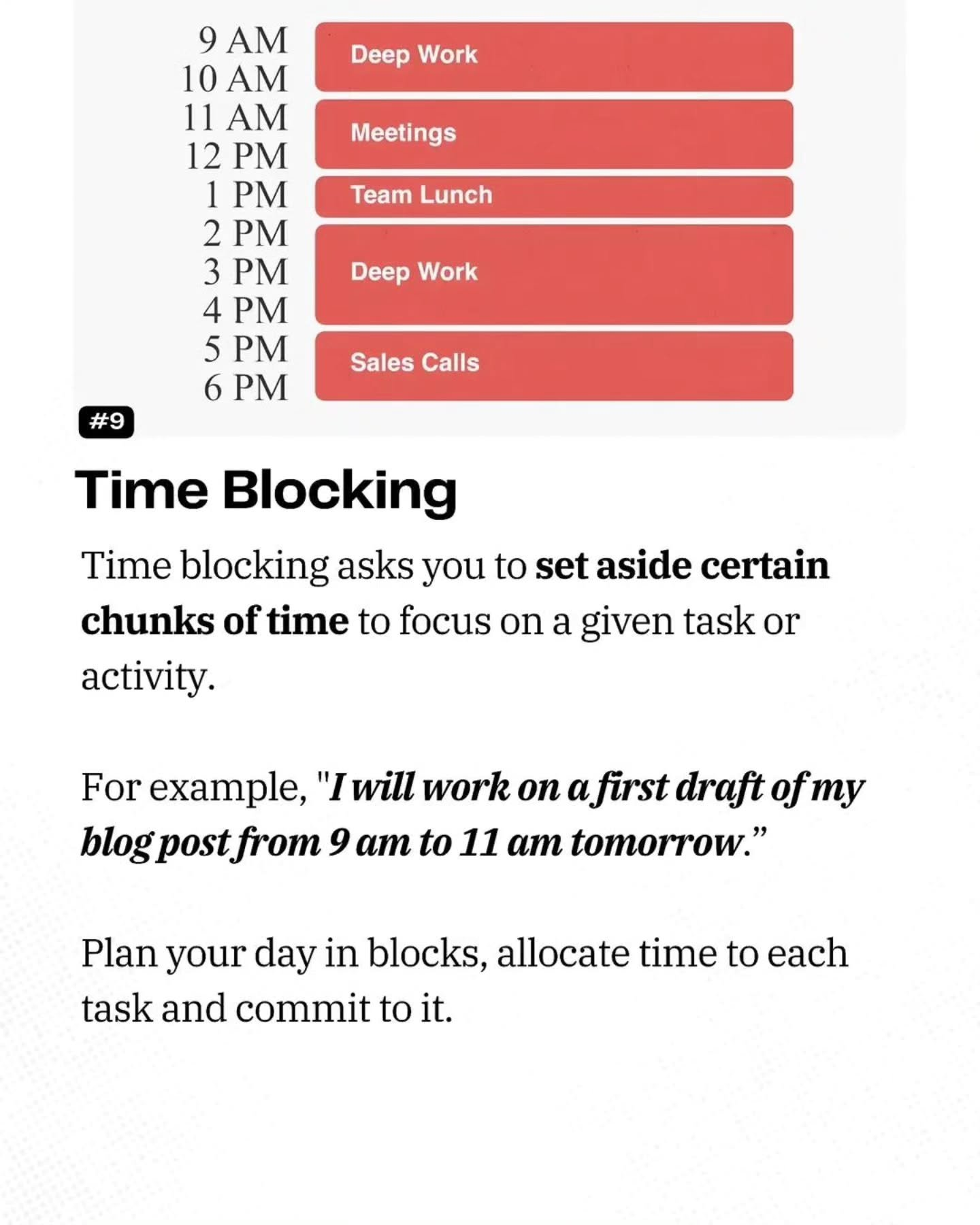
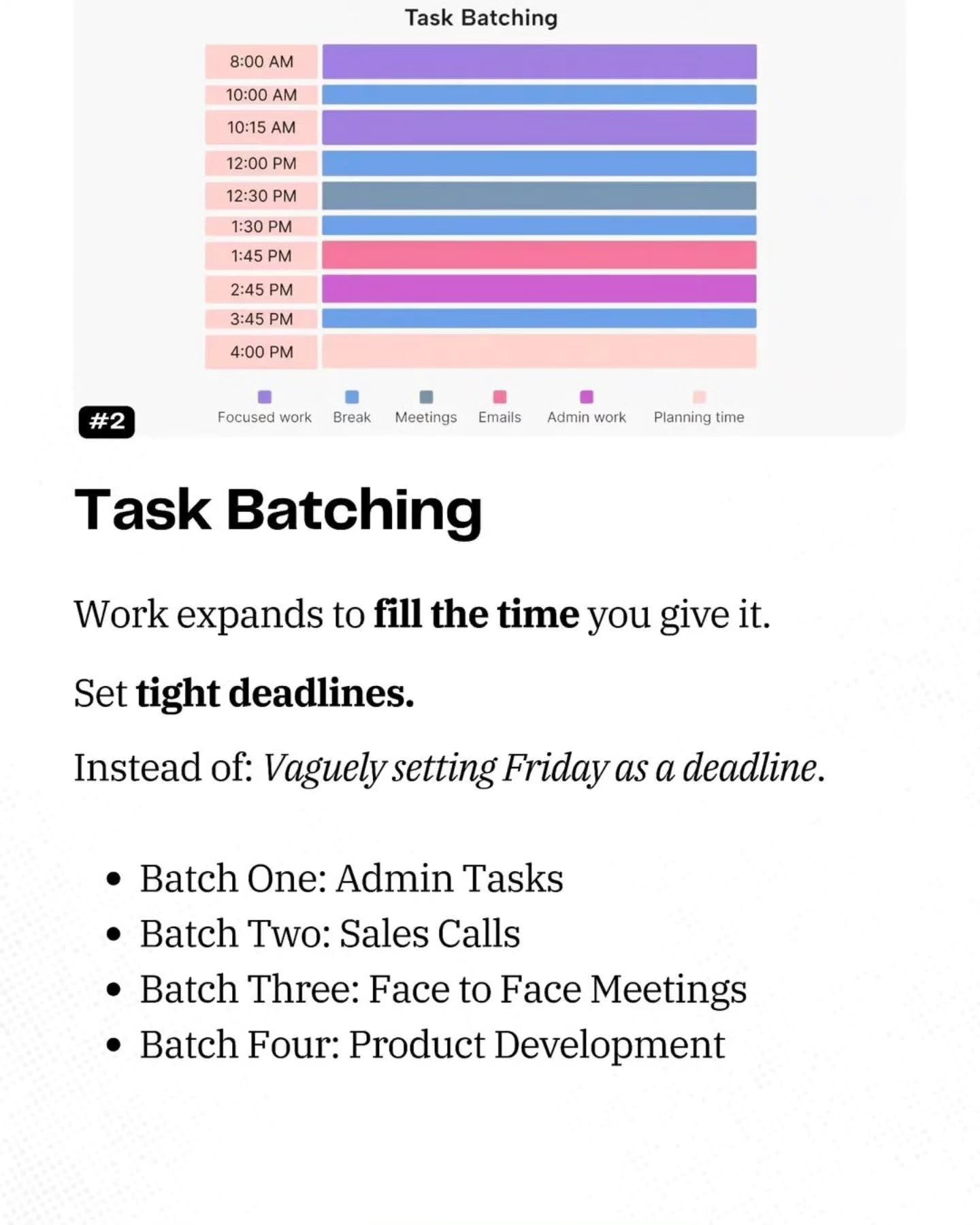
Translate those outcomes into explicit time blocks. Treat the calendar like a project plan.
Defend execution
Make distraction harder than staying on task.
Anything less is hope masquerading as planning.
Why tools matter more than techniques
Most people already know what they should do.
They still fail to do it.
The reason is friction.

If planning requires stitching together multiple tools, motivation is consumed before work begins.
If replanning is painful, people default to reacting.
If there is no feedback loop, the same mistakes repeat.
A system only works if it is easy to repeat.
How FocusDay fits
FocusDay is built around a single idea: remove friction from daily execution.
It does not try to motivate you.
It gives your day structure.
Practically, this means:
One place for the day
Instead of managing tasks across tools, your priorities live in one clean workspace. See how that works at https://usefocusday.com.
Time anchored work
Key tasks become calendar blocks, not vague intentions. Focus is tied to time, not mood. This is the core workflow shown on https://usefocusday.com.
Visible capacity
When everything sits on a timeline, overload is exposed early. Tradeoffs happen before the day collapses.
Execution feedback
Planned versus actual work is visible, allowing the system to improve instead of repeating the same errors.
The goal is simple.
You open FocusDay and the day is already decided.
Your job is execution, not hourly renegotiation.
A practical way to start today
Use FocusDay as the container for execution, not just another task list.
Morning
Open FocusDay before opening email.
Write the three outcomes that would make today successful.
Block time for each one. You can start this flow directly at https://usefocusday.com.
During the day
Work from the plan.
If something urgent appears, replan consciously inside FocusDay instead of letting it hijack the day.
Evening
Mark what was completed.
Adjust estimates.
Notice what consistently slips.
That pattern is not a character flaw.
It is a systems gap asking to be fixed.
The shift
Over time, focus stops being something you chase.
It becomes the default output of a well designed day.

Motivation becomes optional.
Clarity becomes automatic.
Progress becomes repeatable.
That is the difference between hoping to focus
and building a system that produces it.
If the problem is structural, the solution must be too.
That is exactly what FocusDay is built for.
Start by designing tomorrow at https://usefocusday.com.

 Maverick