Luck or Skill

It’s almost impossible to know if one’s personal, financial, business or career success is due to luck or skill. But one true aspect to be aware is it takes many years for skills to win over luck.
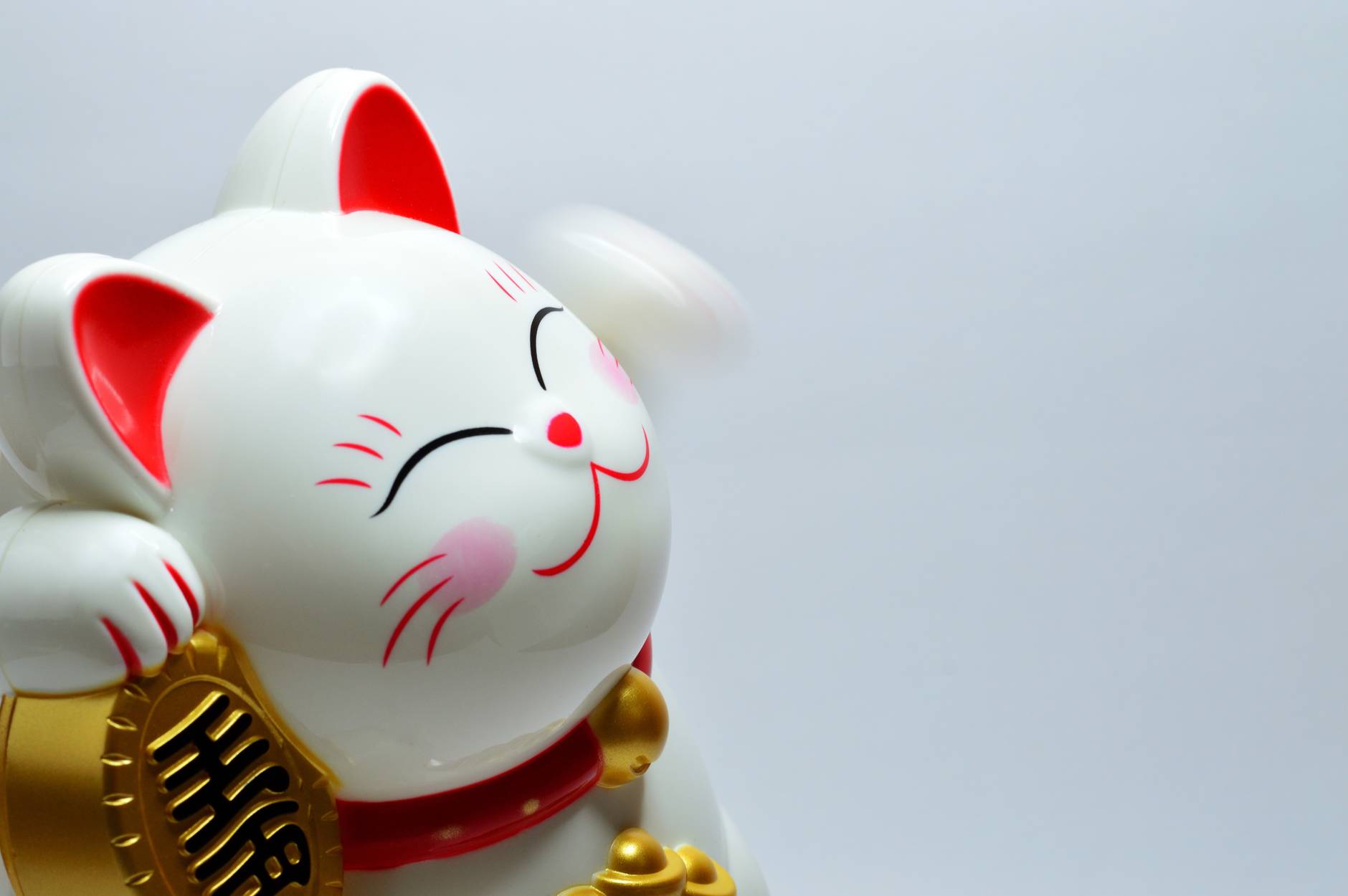
japanese lucky coin cat
Photo by Miguel Á. Padriñán on Pexels.com

Big trends rarely have one cause. In some endeavors like selling books and movies, luck plays a larger role. There is a paradox of skill. As skill improves, performance becomes more consistent, and therefore luck becomes more important. As individuals advance in their careers, their duties often slide toward the luck side. The tools that made an executive very successful as the head of operations may be of little use when he is promoted to CEO, a position in which it’s much more difficult to find causes for specific effects. When luck stands between cause and effect, giving and receiving quality feedback becomes much more difficult.

Planck’s Principle

It’s easy to underestimate change. The earth keeps rotating and we don’t even feel it. The plants keeps growing, and we almost never could see it with our naked eyes. Because any major changes happens slower, its easy for human brain to assume change hardly occurs.

Planck's Principle
Photo by Simon Matzinger on Pexels.com

With recent COVID-19 situations, when we see the valuation of some new Tech companies like Snowflake skyrocketing, older generations find it harder to comprehend. The traditionalists respond with rebellion. It can take a generation for a great new technology to reach its potential because it takes that long for the older holdout generation to move along. This phenomenon is well formulated by Max Planck, “Planck’s principle is the view that scientific change does not occur because individual scientists change their mind, but rather that successive generations of scientists have different views”.

Science always progresses one funeral at a time. But Why does this occur? This is because success plant the seeds of its own destruction through complacency and leverage. We’re more likely to become locked into a single view, unwilling to abandon what’s worked even as the world evolves. And bad times always plants the seeds of turnaround as well. Turnaround is always planted through opportunity and panic-driven problem solving. In Business, strategies works and fails, trends comes and disappears, companies peak and fall, idea flourish and diminish. Stuff evolves, paradigm shifts.

Always changing. Stay Humble, without giving up.

Be wrong; but don’t stay wrong

In Investing, you can’t know everything. But once you understand the most important basics like a target company’s financials, moat (business’ ability to maintain competitive advantages over its competitors), product-market fit, management, risks than you have enough information to make an investing decision.

happy woman in headset sitting in cockpit during helicopter tour
Photo by Maarten van den Heuvel on Pexels.com
close up photo of cat s eye
Photo by Francesco Ungaro on Pexels.com

“An investment in knowledge pays the best interest.” – Benjamin Franklin

Lets dissect this:

  1. Invest in the best high-growth businesses
  2. Pay up for a compounding machine
    Quality > valuation investing
    Invest when management is top notch v. Hold onto winners
  3. Be ruthless in cutting losers
  4. Be wrong; but don’t stay wrong