There is a theory that refuses to leave ambitious people alone.
The Four Burner Theory.
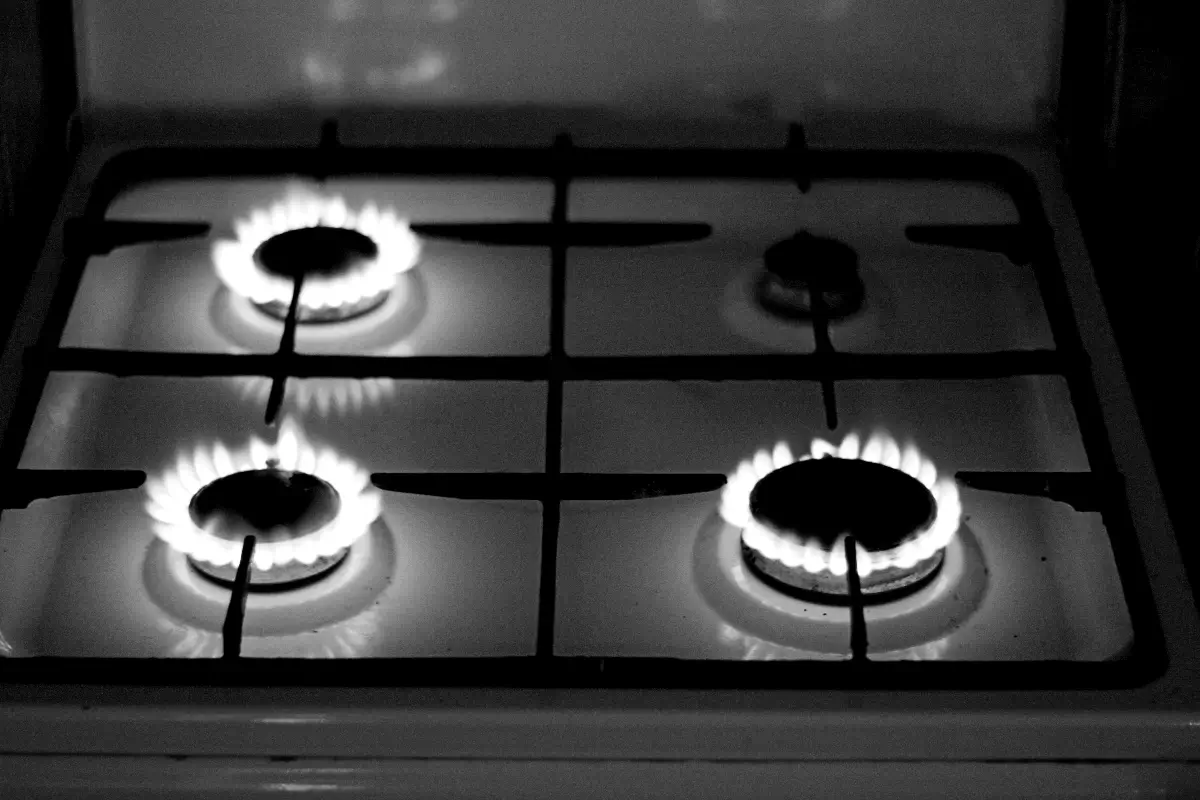
It suggests that your life is like a stovetop with four burners:
- Family Members
- Work
- Health
- Friends
Each burner represents a core dimension of a meaningful life. Each requires time, energy, emotional attention. And you only have so much fuel.
The uncomfortable premise is simple.
To be successful, you must turn off one burner.
To be exceptionally successful, you must turn off two.
This idea is often attributed to writer David Sedaris, who mentioned it in a conversation. It was casual. Almost throwaway. Yet it has haunted high performers ever since because it feels true.
Once you see it, you cannot unsee it.
The Economics of Attention
You cannot scale presence.
You cannot outsource sleep.
You cannot automate friendship.
You can optimize systems. You can hire teams. You can delegate tasks. But you cannot duplicate yourself across four fully lit domains without something thinning out.
Every hour spent building a company is an hour not spent building intimacy.
Every late night slide deck costs something invisible.
Every early morning workout trades against something else.
This is not moral judgment. It is arithmetic.
Burner One: Family
Family is the least scalable and the most unforgiving.
You cannot delegate being present. You cannot compress childhood. You cannot batch process intimacy.
Many high achievers quietly sacrifice this burner first because it does not generate public metrics. No quarterly report tracks emotional availability. No promotion rewards bedtime stories.
Yet when this burner goes dark, the cost compounds quietly.
You may gain leverage. You may lose closeness.
Burner Two: Work
Work is the most seductive burner.
It gives identity.
It gives validation.
It gives measurable progress.
For ambitious leaders, this flame feels necessary. It feels righteous. It feels productive.
But when work is on full blast, it consumes oxygen from the rest of the kitchen. Health becomes optional. Friends become occasional. Family becomes scheduled.
Work is powerful fuel. It is also a demanding one.
Burner Three: Health
Health does not protest loudly at first.
It whispers.
Skipped sleep. Delayed checkups. Meals replaced by caffeine. Movement postponed to next week.
Then one day it stops whispering.
The Four Burner Theory becomes painfully visible when the health burner has been off for years and the bill finally arrives. No achievement compensates for energy you do not have.
High performance without health is short term. Sustainable success requires this flame to remain at least partially lit.
Burner Four: Friends
Friends are often the quiet casualty of ambition.
You move cities.
You change priorities.
You narrow your circle.
Soon you have a strong network but a thin support system. Contacts instead of confidants. Access instead of belonging.
Friendship requires unstructured time. High performers rarely allow for that.
The Celebrity Examples and the Risk of Oversimplification
It is tempting to map this theory onto well known leaders. Elon Musk has spoken publicly about the strain work placed on his early marriage. Jeff Bezos transformed his health dramatically after stepping down as CEO and went through a divorce. Mark Zuckerberg has been described by some as intensely focused and emotionally reserved.
But we must be careful.
Divorce has multiple causes. Fitness transformations have complex motivations. Public personas rarely reveal the full truth of private relationships.
The Four Burner Theory is a metaphor, not a diagnostic tool. It explains tradeoffs. It does not explain entire lives.
Success Is Managed Sacrifice
The mistake is believing balance means all burners on full power at all times.
That is fantasy.
The more useful framing is rotational intensity.
There are seasons when work must dominate. A product launch. A turnaround. A transformation.
There are seasons when family must lead. A newborn. An illness. A transition.
There are seasons when health demands priority. Recovery. Burnout. Aging.
There are seasons when friendship restores perspective.
The question is not how to keep all four maxed out. The question is whether you are choosing consciously or drifting unconsciously.
High performers often default to work. Not because they evaluated it. Because it feels urgent and measurable.
Intentional leaders decide which burner is primary for this quarter, this year, this chapter. Then they protect at least one other burner from extinction.
Not perfect balance. Conscious allocation.
The Reflection
Ask yourself three uncomfortable questions:
Which burner is fully on?
Which one is barely lit?
Which one has been off for so long you stopped noticing?
If you are building at scale, you will sacrifice somewhere. The only control you have is where and for how long.
Hypergrowth without awareness leads to regret.
Peace without ambition may lead to stagnation.
Endurance requires design.
The Four Burner Theory does not demand you shrink your ambition. It demands that you acknowledge the cost structure of your life.
Fuel is finite. Attention is finite. Energy is finite.
What changes everything is not adding another productivity system.
It is deciding, deliberately, what matters most in this season and aligning your calendar with that truth.
If you want a structured way to design your weeks around what actually matters instead of reacting to what screams the loudest, explore how we think about focus at
Because burners do not manage themselves. You do.

 Maverick