Balancing Achievement and Fulfillment:
Christensen’s work emphasizes the delicate balance between career achievement and personal fulfillment. He suggests that while professional accomplishments are measurable and visible, personal satisfaction is often less tangible but equally important. The key lies in defining what success truly means on a personal level and aligning it with one’s professional goals.
Investing in Relationships:
One of the central tenets of Christensen’s book is the significance of investing in relationships. He argues that strong personal relationships are the most substantial source of long-term happiness. For executives, this might mean reevaluating priorities to ensure that relationships with family, friends, and community are nurtured alongside career aspirations.
The Danger of Marginal Thinking:
Christensen cautions against marginal thinking – making decisions based on short-term gains rather than long-term values. This approach can lead to compromises in both personal integrity and life goals. For leaders, maintaining a steadfast focus on core values and long-term objectives is crucial for true success.
The Motivation Factor:
Understanding what motivates us is another critical aspect. Christensen points out that motivation often comes from intrinsic rewards – the sense of satisfaction from the work itself – rather than extrinsic rewards like money or status. Leaders need to identify what intrinsically motivates them and their teams to foster a fulfilling work environment.
Creating a Personal Strategy:
The concept of developing a personal strategy is pivotal in Christensen’s philosophy. Just as businesses require strategic planning to thrive, individuals need personal strategies to achieve their life goals. This involves setting clear objectives, understanding the resources available, and regularly reviewing and adjusting these plans.
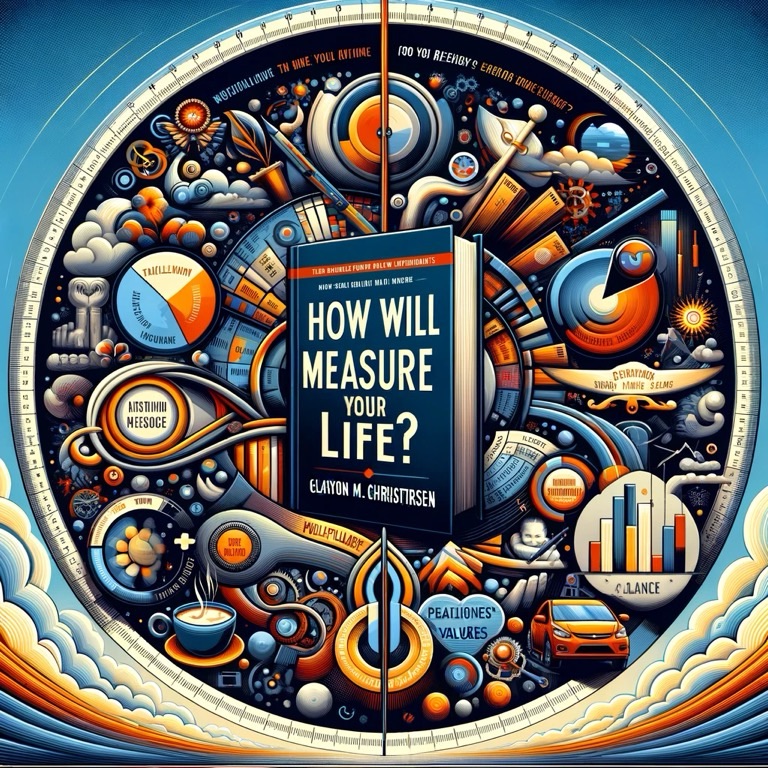
“How Will You Measure Your Life?” offers a reflective and strategic approach to life’s biggest decisions. For executives and leaders, Christensen’s insights provide a framework for aligning professional achievements with personal fulfillment. By focusing on what truly matters, leaders can navigate their lives with purpose and satisfaction, creating a legacy that transcends professional success. This book is not just a guide to living but a reminder of the values that define a truly successful life.

 Maverick