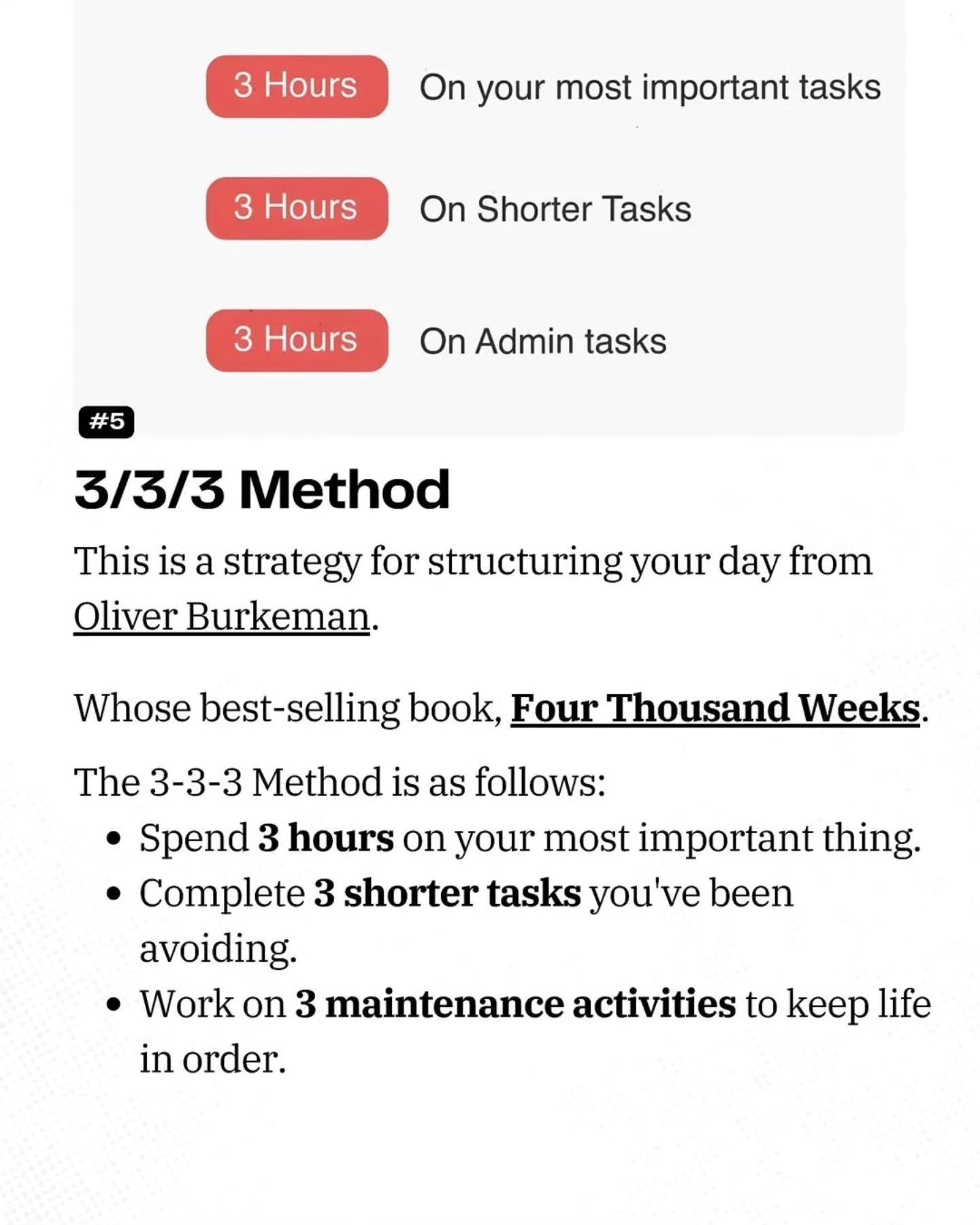
10 Frameworks Used for Time Management

Most conversations about focus start in the wrong place.
They assume distraction is a failure of discipline.
They prescribe motivation, grit, or better habits.

focus, productivity, focus systems, time blocking, deep work, daily planning, execution over motivation, work design, attention management, knowledge work, high performance, founder productivity, executive productivity, burnout prevention, calendar discipline, task management, personal operating system, work smarter, intentional work, distraction control, modern work, systems thinking, planning your day, decision fatigue, cognitive load, async work, creator economy, startup life, leadership, self mastery

That framing is convenient and wrong.

Focus does not disappear because people lack willpower.
Focus disappears because the day is poorly designed.

You do not rise to the level of your goals.
You fall to the level of your systems.

This distinction matters because motivation is intermittent.
Systems operate continuously.

Why motivation keeps failing you

Motivation spikes and fades.
Energy fluctuates.
Attention degrades under noise.

Yet most productivity advice assumes you can repeatedly make high quality decisions in an environment full of interruptions. That assumption is false.

Environment and structure shape behavior whether you are alert or exhausted.
When focus breaks down, the cause is rarely effort.
It is friction, ambiguity, and constant renegotiation.

Focus is not summoned.
It is allowed.


The real problem: the unmanaged day

High performers are not short on ambition.
They are short on a repeatable daily operating system.

The same failure modes appear across roles and industries.

Tasks are scattered across email, chat, notes, and memory.
Calendars reflect meetings but ignore real work.
Days begin reactively, surrendered to the first notification.

The result is familiar.
Busyness without leverage.
Late nights fixing what should have been decided in the morning.

This is not a personal failing.
It is a systems failure.


What a real focus system must do

A functional focus system is not inspirational.
It is mechanical.
It works even on bad days.

At minimum, it must do three things.

Decide once
Define three to five outcomes that matter before the day starts.

Design the day
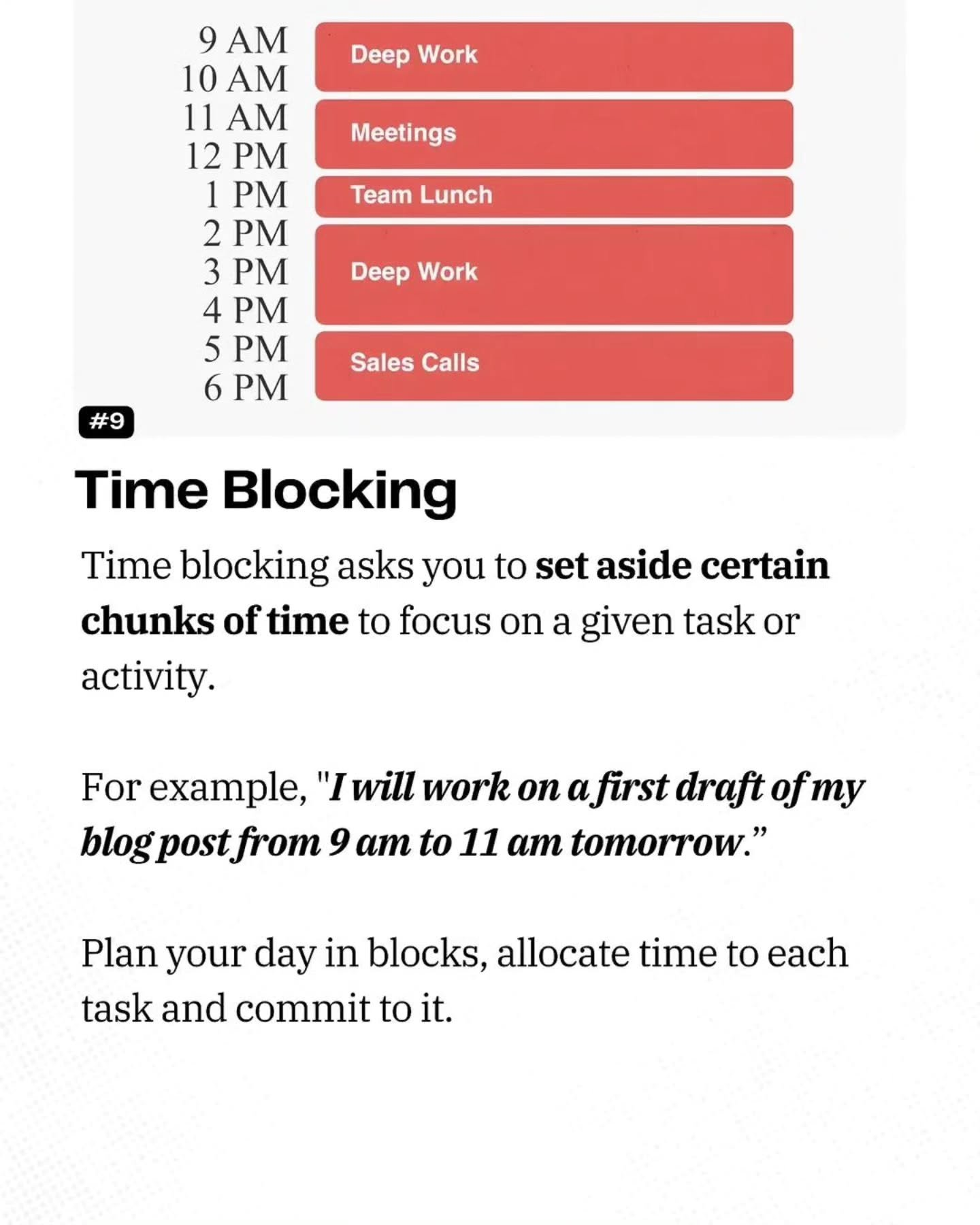
Translate those outcomes into explicit time blocks. Treat the calendar like a project plan.

Defend execution
Make distraction harder than staying on task.

Anything less is hope masquerading as planning.


Why tools matter more than techniques

Most people already know what they should do.
They still fail to do it.

The reason is friction.

If planning requires stitching together multiple tools, motivation is consumed before work begins.
If replanning is painful, people default to reacting.
If there is no feedback loop, the same mistakes repeat.

A system only works if it is easy to repeat.


How FocusDay fits

FocusDay is built around a single idea: remove friction from daily execution.

It does not try to motivate you.
It gives your day structure.

Practically, this means:

One place for the day
Instead of managing tasks across tools, your priorities live in one clean workspace. See how that works at https://usefocusday.com.

Time anchored work
Key tasks become calendar blocks, not vague intentions. Focus is tied to time, not mood. This is the core workflow shown on https://usefocusday.com.

Visible capacity
When everything sits on a timeline, overload is exposed early. Tradeoffs happen before the day collapses.

Execution feedback
Planned versus actual work is visible, allowing the system to improve instead of repeating the same errors.

The goal is simple.
You open FocusDay and the day is already decided.
Your job is execution, not hourly renegotiation.


A practical way to start today

Use FocusDay as the container for execution, not just another task list.

Morning
Open FocusDay before opening email.
Write the three outcomes that would make today successful.
Block time for each one. You can start this flow directly at https://usefocusday.com.

During the day
Work from the plan.
If something urgent appears, replan consciously inside FocusDay instead of letting it hijack the day.

Evening
Mark what was completed.
Adjust estimates.
Notice what consistently slips.

That pattern is not a character flaw.
It is a systems gap asking to be fixed.


The shift

Over time, focus stops being something you chase.
It becomes the default output of a well designed day.

Motivation becomes optional.
Clarity becomes automatic.
Progress becomes repeatable.

That is the difference between hoping to focus
and building a system that produces it.

If the problem is structural, the solution must be too.
That is exactly what FocusDay is built for.
Start by designing tomorrow at https://usefocusday.com.

How FocusDay Transforms Daily Productivity for Professionals Who Value Focus

Productivity Is a Design Problem, Not a Motivation Problem

Most professionals are not failing due to lack of effort. They are failing due to poorly designed days. Meetings consume attention. Notifications fragment thinking. Tasks expand to fill every available minute.

FocusDay addresses this at the system level. It helps you design your day before the day designs you.

From Task Lists to Intentional Execution

Traditional to-do lists capture activity, not outcomes. FocusDay shifts the model:

• Decide what matters
• Assign time intentionally
• Execute without constant reprioritization

By combining task organization with time allocation, FocusDay removes ambiguity from execution.

Time Blocking That Protects Cognitive Energy

FocusDay enables deliberate time blocks for focused work. These blocks are not placeholders. They are commitments. This structure reduces context switching and preserves mental clarity throughout the day.

Visibility Into How You Actually Work

Most people overestimate how focused they are. FocusDay provides visibility into task completion and time usage, allowing you to correct patterns before they become habits.

Who FocusDay Is Built For

• Professionals managing competing priorities
• Leaders balancing strategy and execution
• Builders who value deep, uninterrupted work

If your days feel full but unproductive, the problem is not effort. It is structure.
Start designing your days with intention at https://usefocusday.com

Top 5% Strategy

In the competitive world of business, achieving excellence often means adopting strategies that push you into the top 5% of performers. The key lies in an iterative process that focuses on rapid development, continuous feedback, relentless improvement, and flawless execution. Here’s how you can master this top-tier strategy:

Top 5% Strategy

1. Strategize in Short Sprints

Why It Matters:
Short sprints allow for focused, intense periods of work that drive productivity and innovation. By breaking down projects into manageable segments, you can maintain momentum and quickly adapt to new information or changing conditions.


Consider the early days of Tesla. Elon Musk adopted a sprint-based approach to quickly iterate on designs and technology. This approach allowed Tesla to innovate rapidly, delivering the groundbreaking Model S in record time, which set new standards for electric vehicles.

Implementation:

  • Set Clear Goals: Define what you aim to achieve in each sprint. Ensure these goals are specific, measurable, attainable, relevant, and time-bound (SMART).
  • Prioritize Tasks: Identify high-impact tasks that can be accomplished within the sprint period.
  • Time Boxing: Allocate fixed time slots for each task, ensuring that no single activity monopolizes your time and resources.

2. Get Feedback

Why It Matters:
Feedback is crucial for understanding how your strategies and actions are perceived and where improvements can be made. It provides the insights needed to refine your approach and align it more closely with desired outcomes.


When Sarah Blakely founded Spanx, she relied heavily on feedback from friends, family, and even store clerks. By listening to the needs and preferences of real customers, she was able to refine her product and create a billion-dollar business that revolutionized the shapewear industry.

Implementation:

  • Create Feedback Loops: Regularly seek input from stakeholders, team members, and customers.
  • Encourage Open Communication: Foster an environment where constructive criticism is welcomed and valued.
  • Act on Feedback: Use the insights gained to make informed adjustments to your strategy.

3. Improve

Why It Matters:
Continuous improvement is the backbone of sustained success. By constantly refining your processes and strategies, you can stay ahead of the competition and better meet the needs of your market.

Career Insight:
Jeff Bezos’s philosophy at Amazon has always been to “fail fast” and continuously improve. This mindset has driven Amazon to innovate relentlessly, from its humble beginnings as an online bookstore to becoming a global e-commerce giant and beyond, consistently setting the bar for customer satisfaction and operational efficiency.

Implementation:

  • Analyze Performance: Regularly review performance metrics to identify areas for improvement.
  • Embrace Innovation: Stay open to new ideas and technologies that can enhance efficiency and effectiveness.
  • Implement Incremental Changes: Make small, consistent adjustments to processes to drive continuous improvement without overwhelming your team.

4. Execute Like Hell

Why It Matters:
Execution is where strategies and plans are put into action. Excellence in execution requires discipline, focus, and a relentless drive to achieve the set goals.

Wealth Example:
Warren Buffett’s success is often attributed to his unwavering focus and disciplined execution. His investment strategy is built on thorough research and decisive action, enabling him to consistently outperform the market and build one of the most significant fortunes in history.

Implementation:

  • Maintain Focus: Avoid distractions and ensure that every team member is aligned with the sprint goals.
  • Drive Accountability: Hold yourself and your team accountable for delivering results.
  • Leverage Tools and Resources: Utilize project management tools and resources to streamline execution and track progress.

5. Crush It

Why It Matters:
To “crush it” means not just meeting but exceeding expectations. It’s about delivering outstanding results that set you apart from the competition and establish you as a leader in your field.

Inspirational Story:
Consider the journey of Oprah Winfrey. From humble beginnings, she crushed every challenge in her path through relentless work ethic, sharp strategic moves, and a commitment to excellence. Her ability to connect with audiences and consistently deliver high-quality content made her a media mogul and a billionaire, setting new standards in the industry.

Implementation:

  • Set High Standards: Aim for excellence in every task and project.
  • Celebrate Success: Recognize and reward achievements to motivate continued high performance.
  • Reflect and Learn: After achieving a milestone, review what worked well and what could be improved for future sprints.

By adopting a strategy of short sprints, continuous feedback, relentless improvement, disciplined execution, and aiming to “crush it,” you position yourself to achieve and sustain top 5% performance. This iterative, focused approach not only drives immediate results but also fosters a culture of excellence and innovation, ensuring long-term success in an ever-evolving business landscape.

Embrace this strategy, and watch as your team moves from strength to strength, consistently delivering outstanding results and setting new benchmarks for success. By learning from the successes of industry leaders and applying these principles to your own endeavors, you too can achieve remarkable career and financial success.