The Link Between Thigh Muscle Strength and Longevity

It’s becoming clear that the strength and mass of our thigh muscles might have more to do with our lifespan than we once thought. This isn’t just about looking good in shorts or being able to run faster; it’s about how these muscles can keep us healthier for longer. Here’s a dive into what the research tells us about this intriguing connection.

Thigh Muscle and mortality

The Science of Muscle Mass and Life Expectancy

Muscle mass, especially in those mighty thighs, is crucial not just for movement but for our overall metabolic health. Studies have shown that folks with stronger muscles tend to have longer lives. A fascinating study on men, for instance, found that those who could lift more had a lower chance of dying from almost anything, be it heart disease or cancer. You can read more about this in a study from PMC.

When researchers looked across different groups, they found that muscle strength, whether measured by how tightly you can squeeze something or how much force you can push with your legs, predicts how long you’ll live. This means that having strong muscles might be as much about health as it is about strength.

Muscle Mass in the Heat of the Moment

Even in emergencies like severe infections, your thigh muscle mass can be a predictor of how you’ll fare. Using ultrasound, doctors have found that people with more muscle in their thighs tend to do better in the short term, like within a month of getting very sick. This shows just how important muscle mass can be, even when we’re not at our best.

Aging, Muscle Loss, and What It Means for Us

As we age, we lose muscle, a process known as sarcopenia, which isn’t just about getting weaker but can also mean a shorter life. Research has shown that losing muscle in your thighs can happen on its own, separate from losing muscle everywhere else. This has big implications for how we try to stay fit as we get older.

When Disease Strikes

For people dealing with conditions like peripheral artery disease, strong legs can mean a longer life, but it seems this is more true for men than women. This kind of insight tells us that knowing who might benefit most from getting stronger could change how we manage health conditions.

What This Means for You and Me

  • Getting Physical: Lifting weights or doing resistance training isn’t just for the gym rats. It’s crucial for all of us, especially as we age, to keep our muscles strong and our health in check.
  • A New Look at Health Checks: Maybe we should start checking muscle strength when we go for our yearly check-ups, especially if we’re at risk for chronic diseases or getting older.
  • Tailored Fitness Plans: Knowing which muscles matter most for health could mean fitness plans that focus on those areas, like building up those thigh muscles to fight off the effects of aging.

This connection between our thigh muscles and how long we live shows us that our lifestyle choices, like staying active, can really impact our health journey. While our genes play a part, what we do with our bodies can make a big difference. As we learn more, let’s not forget that taking care of our muscles is taking care of our future.

Note: It’s always good to chat with your doctor about what’s right for your health. This article is just a piece of the puzzle, and your personal health journey is unique.
Unleashing Grandmaster Secrets: The Caloric Chess Phenomenon!

Have you ever wondered how chess players, known for their sedentary lifestyle, manage to burn an astonishing 6,000 calories per day during intense tournaments? The phenomenon, aptly named the “Grandmaster Diet,” reveals the surprising connection between stress, mental exertion, and calorie expenditure. In this article, we’ll delve into the fascinating world of chess and explore the physical and nutritional strategies employed by grandmasters to stay sharp and competitive.

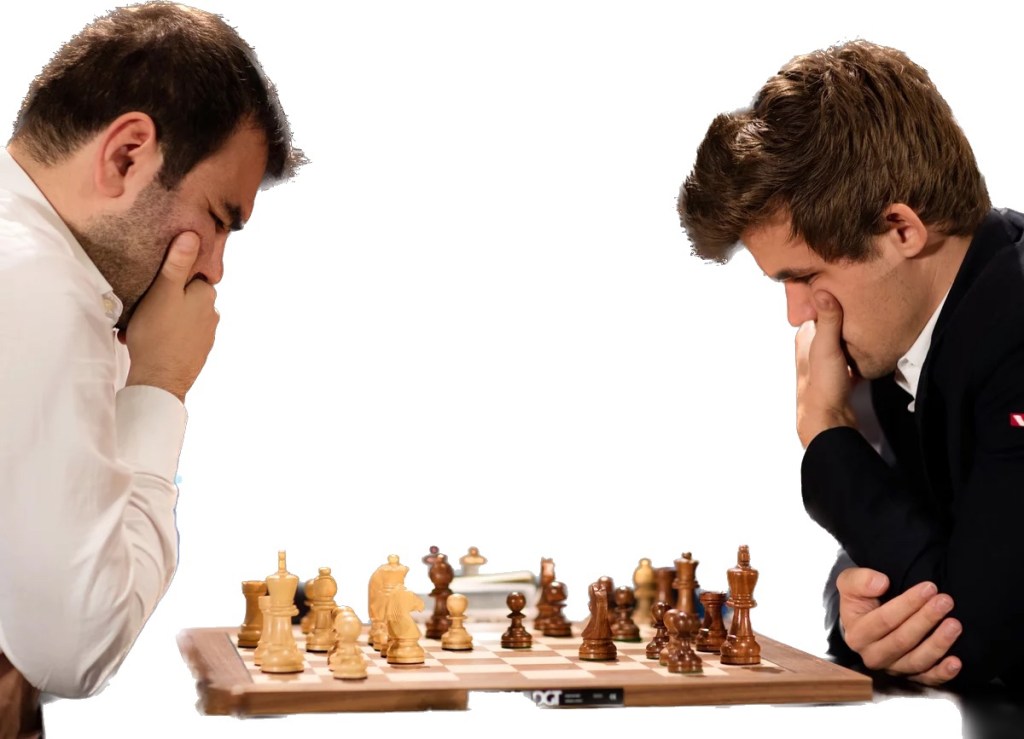
intensity and concentration of a grandmaster in action

1. The Caloric Burn of Chess: It may come as a shock, but chess players can burn three times the average daily calorie intake of an individual. Historical examples, such as Anatoly Karpov and Rustam Kasimdzhanov, losing significant weight during tournaments, showcase the extreme caloric expenditure associated with the game.
2. Stress and its Caloric Impact:
The key contributor to the calorie burn in chess is stress. The demanding nature of long championships places players under immense stress, leading to increased heart rates, elevated blood pressure, and accelerated metabolism. As the brain consumes more energy during mentally challenging tasks like chess, the body burns calories at an accelerated pace.
3. The Dark Side of Weight Loss:
While the caloric burn of chess is fascinating, it is important to note that excessive mental strain can have adverse effects. Increased stress levels can lead to loss of appetite, disturbed sleep, and overall health issues. It is crucial to strike a balance between performance and well-being.
4. Exercise and Nutrition Strategies of Chess Masters:
To optimize their mental and physical state, chess players like Viswanathan Anand and Magnus Carlsen incorporate exercise and nutrition into their routines.• Anand’s cardio sessions helped him unwind, tire himself out, and ensure a restful sleep, preventing dreams about chess. He also engaged in physical activities, such as running or climbing, before matches to elevate his heart rate. • Carlsen, facing energy depletion during longer matches, adjusted his nutrition. Instead of relying on sugary drinks, he switched to a mixture of chocolate milk and plain milk. This provided a more sustained energy release, with lower sugar levels and additional nutrients like calcium, potassium, and protein.

5. Building Stamina and Combating Stress: According to Anand, building stamina is paramount to combat stress in chess. The ability to maintain six hours of intense focus without mental fatigue is crucial. Fatigue can lead to forgetfulness and blunders. To stay mentally sharp, players prioritize stamina-building exercises and strategies.

The Grandmaster Diet sheds light on the remarkable caloric burn associated with the game of chess, driven by stress and intense mental exertion. While this phenomenon is intriguing, it is essential to maintain a healthy balance between performance and well-being. Incorporating exercise and proper nutrition can aid chess players in optimizing their mental and physical state, ensuring they can compete at their best. So, the next time you engage in a mentally challenging activity, remember the importance of maintaining stamina and supporting your body and mind for optimal performance.

Treadmill Marathon

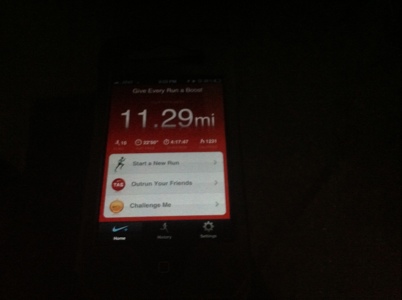
Completed my Treadmill marathon and sweating like a dog now, going for showers. Want to beat my run tomorrow, so here is my official run record.

20120618-203345.jpg

20120618-203401.jpg