The Rerun Effect

Why People Tune You Out And How To Break Their Pattern

We underestimate how quickly people stop listening.

Not because they dislike us.

Not because they disagree with us.

But because they think they already know what we’re about to say.

That is the Rerun Effect.

Once you see it, you cannot unsee it.

Think about how you watch your favorite shows.

Friends. The Office. How I Met Your Mother.

You let the episodes run in the background because your brain already knows the beats.

Predictable. Familiar. Comfortable.

No effort required.

People do the exact same thing with your voice in meetings.

The moment the room decides they know your rhythm, your tone, your pattern, they stop giving you their attention.

They browse tabs.

They answer emails.

They nod politely while mentally planning dinner.

This is especially brutal in virtual environments.

Six people on a call.

Four are multitasking.

One is half-listening.

And you are speaking into a void that looks attentive but isn’t.

Why?

Because your delivery has become a rerun.

A predictable replay of “what you always sound like.”

How the Rerun Effect Shows Up

It shows up in three ways.

Predictable openings. Predictable pacing. Predictable rambling.

A meeting starts with the same polite script:

“Good morning everyone, hope you’re doing well. Beautiful weather in California today…”

And the audience mentally switches off.

They’ve seen this episode.

They know the plot.

Or someone answers a question with a stream of half-thoughts:

“Yeah so we talked to the supplier… let me loop Ali in… one moment… so basically…”

The listeners know where this goes.

Nowhere.

The Rerun Effect kills attention because predictability kills curiosity.

Your real question: how do I break the pattern?

Simple.

Surprise the room.

Interrupt their expectation.

Shift the energy before they have a chance to go on autopilot.

Not by being theatrical.

Not by being loud.

But by being intentional.

Five moves that instantly reset attention

First, change your tone. Change your cadence. Change your presence.

When your voice is flat, the room goes flat.

A variation forces the brain to re-engage.

Second, open with a story instead of pleasantries.

Stories pull people in.

Pleasantries push people away.

Third, hold eye contact with purpose.

Looking at someone makes them choose to stay with you.

Looking at everyone makes the room choose to follow you.

Fourth, add a challenge. A quiz. A “guess what happens next.”

A slight tension ignites curiosity.

Curiosity anchors attention.

Fifth, show something new on the screen. Not wallpaper slides. Not five-minute stills.

Movement creates engagement.

Stagnation creates reruns.

These are small shifts.

But small shifts rewritten consistently create new expectations.

And new expectations bring attention back.

The deeper point

People don’t tune out because they’re rude.

They tune out because their brain thinks it has seen the episode already.

Your job is to make every interaction feel like a new episode worth watching.

Fresh. Focused. Intentional.

Not loud.

Not dramatic.

Just unexpected enough that the room realizes:

“This is not a rerun. I need to pay attention.”

That is how influence is built.

That is how presence is sharpened.

That is how leaders speak so people don’t just hear them but stay with them.

Leadership Body Language: 10 Powerful Techniques to Command Respect

Have you ever noticed how certain leaders command attention the moment they enter a room? It’s rarely just about what they say—it’s how they carry themselves. The most influential leaders understand that body language speaks volumes before they utter a single word.

Research shows that up to 55% of communication is nonverbal. By mastering these 10 powerful body language techniques used by world-class leaders, you can dramatically enhance your presence and influence.

Leadership Body Language

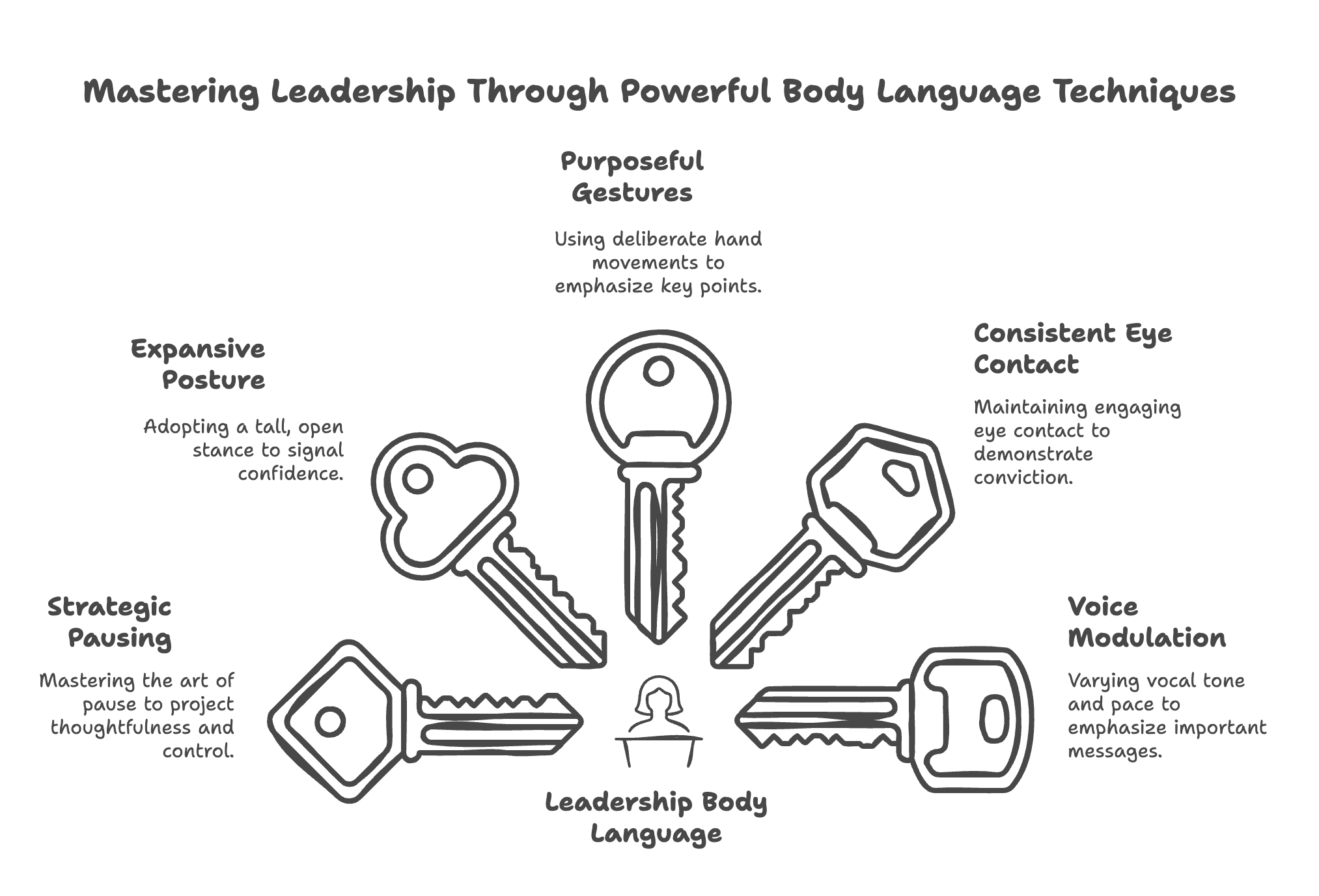
1. Strategic Pausing

Watch footage of Barack Obama speaking, and you’ll notice his masterful use of the pause. Rather than rushing to respond to questions or challenges, effective leaders take a moment to gather their thoughts. This deliberate pause projects thoughtfulness and control rather than reactivity.

Try this: Count to three in your mind before responding to important questions. This brief moment allows you to formulate a more thoughtful response while signaling confidence and composure.

2. Expansive Posture

Leaders naturally take up appropriate space. This doesn’t mean appearing aggressive or domineering—rather, it’s about standing tall with shoulders back and chest open. This expansive posture signals confidence and commands respect.

Try this: Before important meetings, stand in a “power pose” for two minutes (feet shoulder-width apart, hands on hips or stretched overhead). Research suggests this can actually increase testosterone levels and decrease stress hormones.

3. Purposeful Gestures

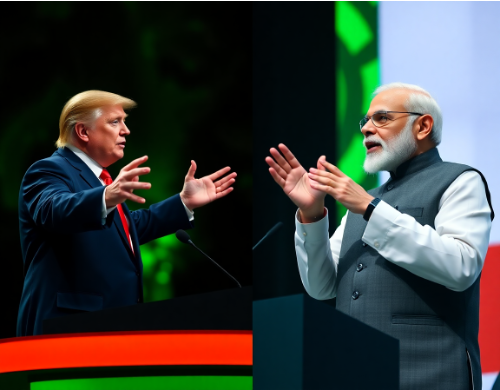
Notice how influential leaders use clear, deliberate hand movements to emphasize key points. These purposeful gestures draw attention and reinforce their message, unlike the small, fidgety movements that signal nervousness.

Try this: Practice using broader, more deliberate hand gestures when making important points. Keep movements above the waist and visible to your audience.

4. Consistent Eye Contact

Steady, confident eye contact demonstrates engagement and conviction. Leaders maintain appropriate eye contact without the unnerving, unblinking “threat tracking” stare that creates discomfort.

Try this: Practice the “triangle technique”—moving your gaze between both eyes and the forehead of the person you’re speaking with. This creates connection without appearing intimidating.

5. Voice Modulation

The most compelling leaders vary their vocal tone, pace, and volume strategically. This prevents monotony and helps emphasize key points. Think of Martin Luther King Jr.’s powerful speeches with their rhythmic crescendos and thoughtful pauses.

Try this: Record yourself speaking and identify places where you can add emphasis through volume, slow down for important points, or speed up to create energy.

6. Selective Mirroring

Skilled leaders subtly adopt elements of others’ body language to build rapport, while still maintaining their own authoritative presence. This creates connection without sacrificing leadership stature.

Try this: Subtly match the energy level and speaking pace of those you’re communicating with, while maintaining your leadership posture.

7. Controlled Facial Expressions

Exceptional leaders maintain facial composure, particularly during challenging situations. They don’t telegraph every emotion, maintaining a calm, steady demeanor that inspires confidence.

Try this: Practice your “neutral but engaged” face in the mirror. This expression should appear attentive and interested without revealing anxiety or distress.

8. Grounded Stance

Watch footage of world leaders and notice how they stand—feet shoulder-width apart, weight evenly distributed. This grounded stance projects stability and confidence.

Try this: Practice standing with feet planted firmly, about shoulder-width apart. Feel the connection with the ground and avoid shifting weight from foot to foot.

9. Limited Self-Touching

Effective leaders avoid nervous habits like touching their face, adjusting clothing, or fidgeting with objects. These self-soothing behaviors signal insecurity and undermine authority.

Try this: Become aware of your self-touching habits and practice keeping your hands still or purposefully engaged in gestures rather than nervous adjustments.

10. Intentional Movement

The most commanding leaders move with intention rather than rushing. As mentioned in body language research, this “Royal Bengal Tiger” quality of deliberate movement draws attention and signals confidence.

Try this: Practice moving slightly more slowly than your natural pace. Take your time entering rooms, approaching podiums, or crossing stages.

Bringing It All Together

These techniques are most powerful when they become natural extensions of your authentic leadership style rather than forced affectations. Start by focusing on one or two areas where you see the most opportunity for growth.

Remember—effective leadership body language isn’t about manipulation. It’s about ensuring your nonverbal communication aligns with and reinforces your message, allowing your true leadership qualities to shine through unhindered by distracting habits.

What body language technique will you focus on developing first?