Imagine strolling through an art gallery, each painting and photograph silently narrating its story. Suddenly, you’re transported to different worlds – some familiar, others not. This experience illustrates the potent impact of visual stimuli on our memory and cognition, a phenomenon known as the Picture Superiority Effect. In this blog, we’ll delve into the heart of this concept, exploring why images resonate deeper and linger longer in our memories than mere words.
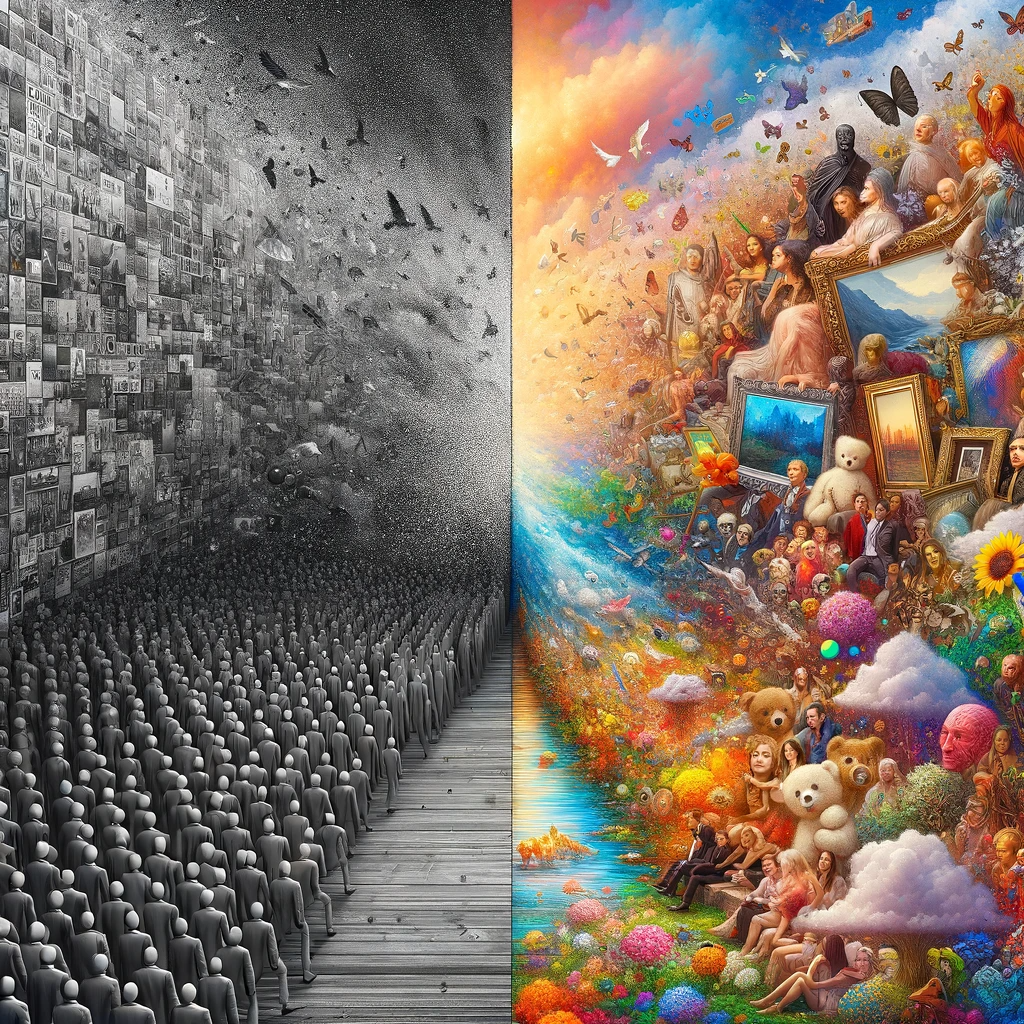
Picture Superiority Effect
Understanding the Picture Superiority Effect
“A picture is worth a thousand words.”
This old adage encapsulates the essence of the Picture Superiority Effect. Research shows that people remember 65% of visual content, compared to only 10% of written content, three days later. But why does this happen?
The Science Behind the Scenes
- Dual-Coding Theory: Proposed by Allan Paivio, it suggests that our brain encodes information in two ways – verbal and visual. The ability to encode an image both ways gives it a memory advantage.
- Concreteness and Emotional Engagement: Images often represent tangible ideas and evoke emotions, making them easier to remember.

Allow me to narrate the inspiring story of Jag, an ambitious director who leveraged the Picture Superiority Effect to climb the corporate ladder to a vice-presidential role.
Jag, a director in a fast-growing tech company, was known for his innovative ideas and leadership skills. However, he faced a challenge in communicating complex technological concepts to the executive board and his team. His goal was to become a vice president, but he realized that to do so, he needed a more impactful way to present his ideas.
Drawing inspiration from the adage, “Show, don’t tell,” Jag turned to the Picture Superiority Effect.
Jag began transforming his presentations and reports. He replaced jargon and lengthy text with clear, concise visuals – charts, graphs, and compelling images that succinctly conveyed his strategies and results. His presentations became a blend of minimal text and powerful visuals, making them more engaging and persuasive.
The Breakthrough Moment
During a crucial executive meeting, Jag used a dynamic infographic to depict the potential growth trajectory of the company with his proposed strategy. This visual not only presented data but also told a story of innovation and success. It was this presentation that caught the attention of the senior executives.
The Outcome
Jag’s use of visuals brought clarity and enthusiasm to his ideas. His ability to present complex data in an easily digestible format led to greater recognition within the company. His presentations became a model within the organization, enhancing communication across departments.
Jag’s ascent to the vice presidency taught him several key lessons:
- Clarity and Engagement in Leadership: His visual communication style broke down barriers, making information accessible and engaging.
- Influence and Persuasion: Effective use of visuals significantly increased his influence during presentations and negotiations.
- Brand and Reputation Building: Jag became known for his innovative approach, enhancing his personal brand within the corporate world.
Jag’s story illustrates the transformative impact of the Picture Superiority Effect in professional advancement. For aspiring leaders and executives, mastering visual communication can be a powerful tool for presenting ideas, influencing decisions, and achieving career milestones.
“In the simplicity of visuals lies the power of clarity and influence” – a mantra that Jag’s story echoes, highlighting the critical role of visual communication in the corporate world.


 Maverick