Have you ever noticed how certain leaders command attention the moment they enter a room? It’s rarely just about what they say—it’s how they carry themselves. The most influential leaders understand that body language speaks volumes before they utter a single word.
Research shows that up to 55% of communication is nonverbal. By mastering these 10 powerful body language techniques used by world-class leaders, you can dramatically enhance your presence and influence.
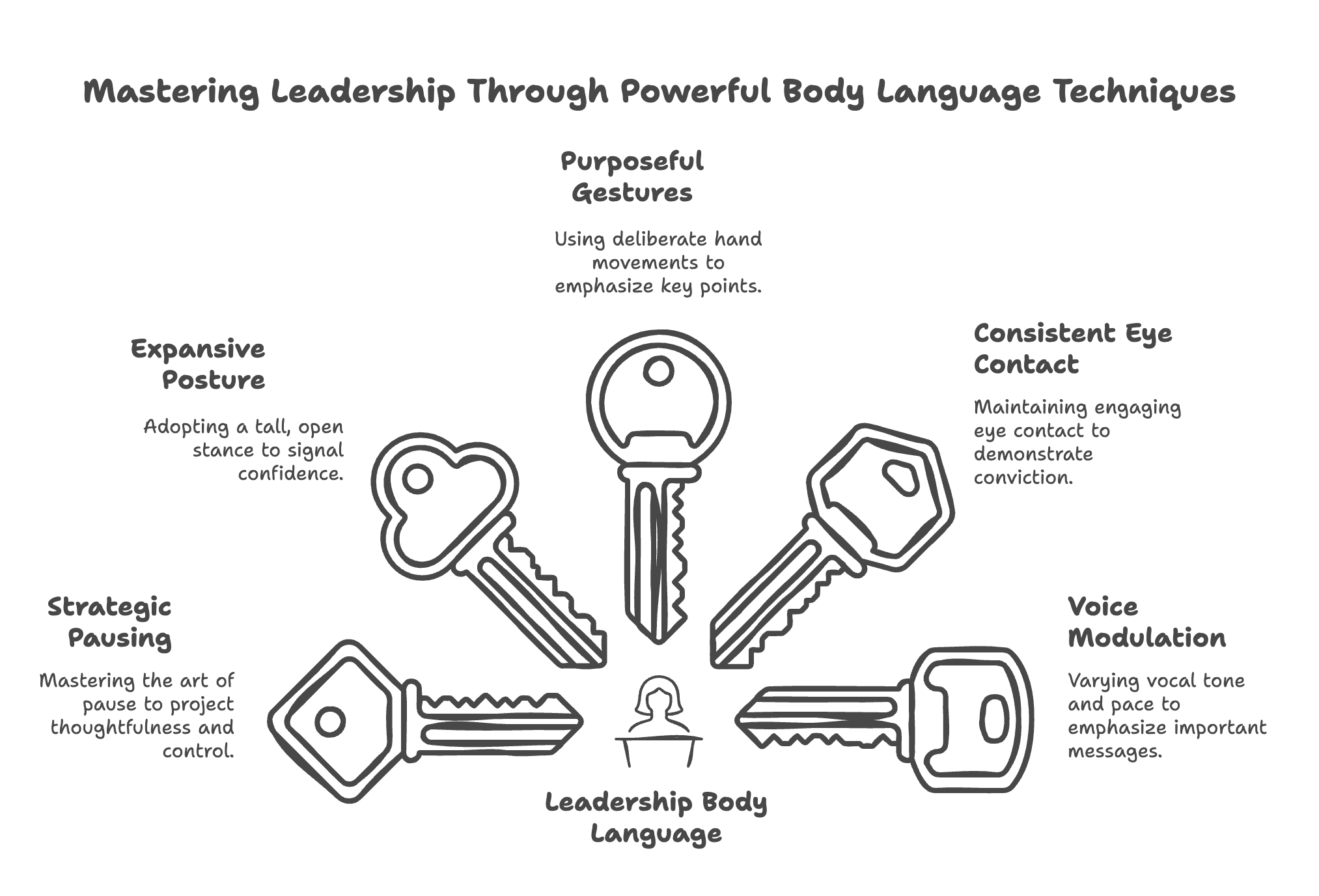
1. Strategic Pausing
Watch footage of Barack Obama speaking, and you’ll notice his masterful use of the pause. Rather than rushing to respond to questions or challenges, effective leaders take a moment to gather their thoughts. This deliberate pause projects thoughtfulness and control rather than reactivity.
Try this: Count to three in your mind before responding to important questions. This brief moment allows you to formulate a more thoughtful response while signaling confidence and composure.
2. Expansive Posture
Leaders naturally take up appropriate space. This doesn’t mean appearing aggressive or domineering—rather, it’s about standing tall with shoulders back and chest open. This expansive posture signals confidence and commands respect.
Try this: Before important meetings, stand in a “power pose” for two minutes (feet shoulder-width apart, hands on hips or stretched overhead). Research suggests this can actually increase testosterone levels and decrease stress hormones.
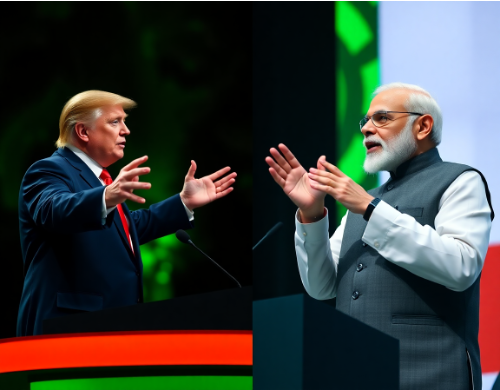
3. Purposeful Gestures
Notice how influential leaders use clear, deliberate hand movements to emphasize key points. These purposeful gestures draw attention and reinforce their message, unlike the small, fidgety movements that signal nervousness.
Try this: Practice using broader, more deliberate hand gestures when making important points. Keep movements above the waist and visible to your audience.

4. Consistent Eye Contact
Steady, confident eye contact demonstrates engagement and conviction. Leaders maintain appropriate eye contact without the unnerving, unblinking “threat tracking” stare that creates discomfort.
Try this: Practice the “triangle technique”—moving your gaze between both eyes and the forehead of the person you’re speaking with. This creates connection without appearing intimidating.

5. Voice Modulation
The most compelling leaders vary their vocal tone, pace, and volume strategically. This prevents monotony and helps emphasize key points. Think of Martin Luther King Jr.’s powerful speeches with their rhythmic crescendos and thoughtful pauses.
Try this: Record yourself speaking and identify places where you can add emphasis through volume, slow down for important points, or speed up to create energy.
6. Selective Mirroring
Skilled leaders subtly adopt elements of others’ body language to build rapport, while still maintaining their own authoritative presence. This creates connection without sacrificing leadership stature.
Try this: Subtly match the energy level and speaking pace of those you’re communicating with, while maintaining your leadership posture.
7. Controlled Facial Expressions
Exceptional leaders maintain facial composure, particularly during challenging situations. They don’t telegraph every emotion, maintaining a calm, steady demeanor that inspires confidence.
Try this: Practice your “neutral but engaged” face in the mirror. This expression should appear attentive and interested without revealing anxiety or distress.
8. Grounded Stance
Watch footage of world leaders and notice how they stand—feet shoulder-width apart, weight evenly distributed. This grounded stance projects stability and confidence.
Try this: Practice standing with feet planted firmly, about shoulder-width apart. Feel the connection with the ground and avoid shifting weight from foot to foot.
9. Limited Self-Touching
Effective leaders avoid nervous habits like touching their face, adjusting clothing, or fidgeting with objects. These self-soothing behaviors signal insecurity and undermine authority.
Try this: Become aware of your self-touching habits and practice keeping your hands still or purposefully engaged in gestures rather than nervous adjustments.
10. Intentional Movement
The most commanding leaders move with intention rather than rushing. As mentioned in body language research, this “Royal Bengal Tiger” quality of deliberate movement draws attention and signals confidence.
Try this: Practice moving slightly more slowly than your natural pace. Take your time entering rooms, approaching podiums, or crossing stages.
Bringing It All Together
These techniques are most powerful when they become natural extensions of your authentic leadership style rather than forced affectations. Start by focusing on one or two areas where you see the most opportunity for growth.
Remember—effective leadership body language isn’t about manipulation. It’s about ensuring your nonverbal communication aligns with and reinforces your message, allowing your true leadership qualities to shine through unhindered by distracting habits.
What body language technique will you focus on developing first?

 Maverick