In our fast-paced world, productivity is often hailed as the key to success. We are constantly told to work harder, longer, and faster to achieve our goals. However, there exists a paradox within this notion of productivity, one that draws inspiration from the majestic lion’s work ethic. Just like the king of the jungle, we can learn to balance our efforts by embracing the art of sprinting, resting, and repeating. Let’s delve into this paradox and explore how incorporating moments of rest can actually boost productivity and lead to more sustainable success.
Sprint: Unleashing the Lion’s Roar
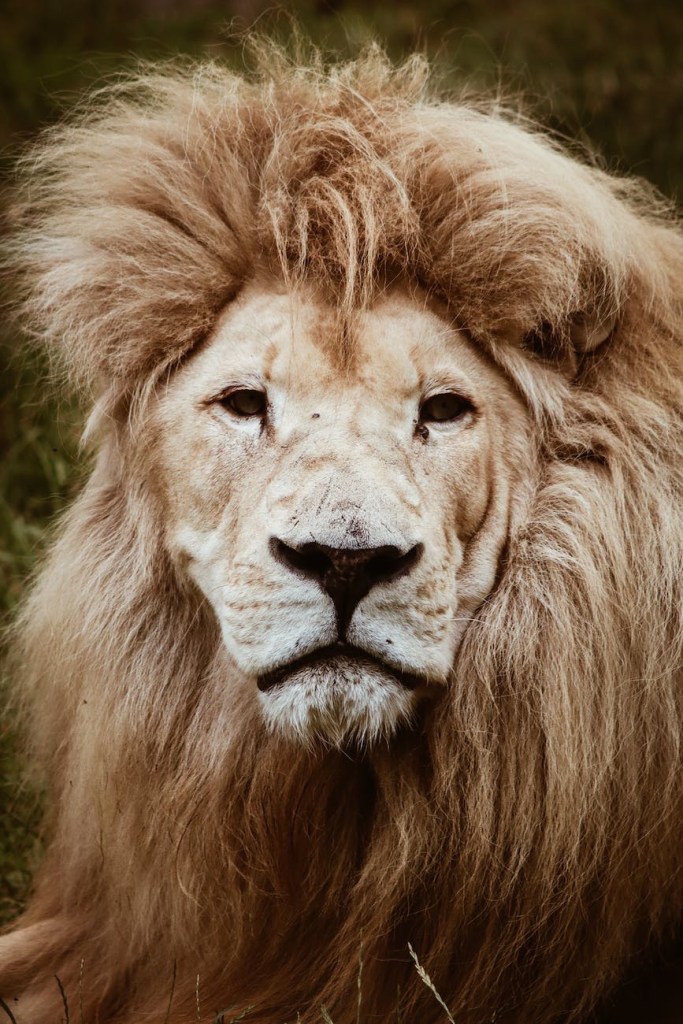
The lion is a symbol of power and strength, renowned for its explosive bursts of energy when hunting. Similarly, in our work lives, there are moments when we must unleash our inner lion and sprint towards our goals with unwavering focus. These sprints represent periods of intense effort and dedication, where we give our best to achieve significant milestones. During these phases, we prioritize tasks, eliminate distractions, and channel our energy like the mighty lion chasing its prey.
Rest: The Power of the Lion’s Slumber
Yet, even the most powerful of beasts needs to rest after a hunt. Rest is not a sign of weakness; rather, it is a crucial aspect of maintaining a sustainable work ethic. Just as the lion conserves its energy during periods of inactivity, we too must recognize the importance of downtime. Rest allows us to recharge our minds and bodies, promoting creativity, better decision-making, and enhanced problem-solving abilities. Embracing rest doesn’t equate to laziness; instead, it is an investment in our long-term productivity and well-being.
Repeat: Embracing Cycles for Lasting Success
The beauty of the lion’s work ethic lies in its cyclical nature. After each sprint and rest, the lion doesn’t shy away from repeating the process when hungry again. Similarly, we must adopt a mindset of perseverance and adaptability in our work lives. Embracing the idea of cycles enables us to continually improve, learn from our experiences, and refine our strategies. By acknowledging that success is not linear but consists of ups and downs, we become better equipped to handle challenges and stay on the path towards our goals.
Breaking the Paradox: A Harmonious Blend
To break the paradox of productivity, we must realize that embracing both the sprint and the rest is not an either-or proposition. Instead, it is a harmonious blend of the two that leads to sustained success. By aligning our work habits with the lion’s example, we can achieve a state of balance and flow, optimizing our performance and overall well-being.
Practical Tips for Embracing the Lion’s Work Ethic:
- Prioritize tasks and set specific sprint periods for focused work.
- During sprints, eliminate distractions and create a conducive work environment.
- Incorporate short breaks throughout the day to recharge and rejuvenate.
- Practice mindfulness and relaxation techniques during rest periods.
- Reflect on past experiences to learn from successes and challenges.
- Embrace flexibility and adaptability, knowing that progress is not always linear.
- Celebrate accomplishments, no matter how small, to boost motivation and morale.
In the paradox of productivity, the lion’s work ethic teaches us valuable lessons about the power of balance and cycles. By sprinting towards our goals with focus, resting to recharge, and repeating the process, we can achieve sustainable success while maintaining our well-being. Embrace the paradox, and let the spirit of the lion guide you on your journey to a more fulfilling and productive life. Remember, it’s not about working harder all the time; it’s about finding the harmony between exertion and rejuvenation, just like the king of the jungle.
 Maverick