Have you ever wondered how chess players, known for their sedentary lifestyle, manage to burn an astonishing 6,000 calories per day during intense tournaments? The phenomenon, aptly named the “Grandmaster Diet,” reveals the surprising connection between stress, mental exertion, and calorie expenditure. In this article, we’ll delve into the fascinating world of chess and explore the physical and nutritional strategies employed by grandmasters to stay sharp and competitive.
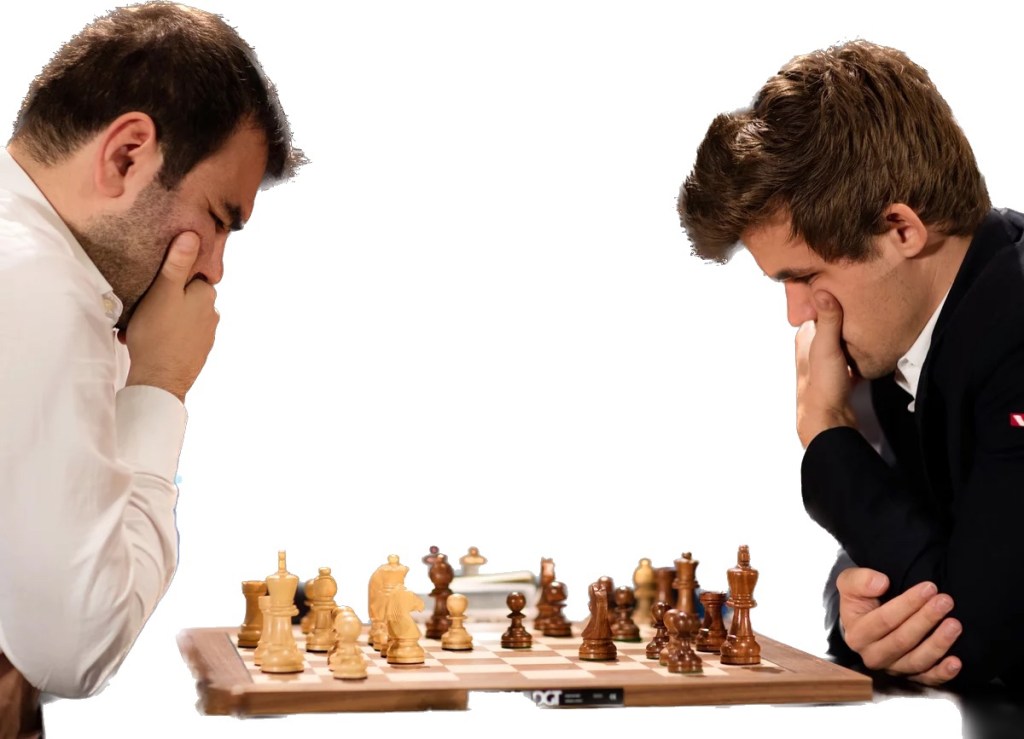
1. The Caloric Burn of Chess: It may come as a shock, but chess players can burn three times the average daily calorie intake of an individual. Historical examples, such as Anatoly Karpov and Rustam Kasimdzhanov, losing significant weight during tournaments, showcase the extreme caloric expenditure associated with the game.
2. Stress and its Caloric Impact:
The key contributor to the calorie burn in chess is stress. The demanding nature of long championships places players under immense stress, leading to increased heart rates, elevated blood pressure, and accelerated metabolism. As the brain consumes more energy during mentally challenging tasks like chess, the body burns calories at an accelerated pace.
3. The Dark Side of Weight Loss:
While the caloric burn of chess is fascinating, it is important to note that excessive mental strain can have adverse effects. Increased stress levels can lead to loss of appetite, disturbed sleep, and overall health issues. It is crucial to strike a balance between performance and well-being.
4. Exercise and Nutrition Strategies of Chess Masters:
To optimize their mental and physical state, chess players like Viswanathan Anand and Magnus Carlsen incorporate exercise and nutrition into their routines.• Anand’s cardio sessions helped him unwind, tire himself out, and ensure a restful sleep, preventing dreams about chess. He also engaged in physical activities, such as running or climbing, before matches to elevate his heart rate. • Carlsen, facing energy depletion during longer matches, adjusted his nutrition. Instead of relying on sugary drinks, he switched to a mixture of chocolate milk and plain milk. This provided a more sustained energy release, with lower sugar levels and additional nutrients like calcium, potassium, and protein.
5. Building Stamina and Combating Stress: According to Anand, building stamina is paramount to combat stress in chess. The ability to maintain six hours of intense focus without mental fatigue is crucial. Fatigue can lead to forgetfulness and blunders. To stay mentally sharp, players prioritize stamina-building exercises and strategies.
The Grandmaster Diet sheds light on the remarkable caloric burn associated with the game of chess, driven by stress and intense mental exertion. While this phenomenon is intriguing, it is essential to maintain a healthy balance between performance and well-being. Incorporating exercise and proper nutrition can aid chess players in optimizing their mental and physical state, ensuring they can compete at their best. So, the next time you engage in a mentally challenging activity, remember the importance of maintaining stamina and supporting your body and mind for optimal performance.

 Maverick